


Whoa! This has bugged me for a while. Trading on-chain feels like walking through a crowded street market where some folks can sprint ahead, shove you aside, and grab the best deals. My instinct said something felt off about that analogy when I first tried to formalize it, but it stuck—because MEV is literally about extraction in the open.
Honestly, if you’re a DeFi user worried about frontruns, sandwich attacks, or value extraction from your transactions, you should be. Seriously? Yes. There’s risk beyond just losing a few basis points; these attacks can nudge strategy, gas estimation, and even front-running of liquidations in a way that compounds over time. Initially I thought MEV was mainly a miner/validator problem, but then realized builders, relays, and bots—all of them—play a role, and so do wallets that choose how to submit and simulate transactions.
So — what should a wallet actually do? Short answer: simulate, protect, and empower. Longer answer: wallets must integrate transaction simulation, mempool privacy tactics, and user-facing controls so that power shifts back to end users rather than specialized searchers. I’ll walk through practical trade-offs, common failure modes, and where I think emerging wallet features—like tx simulation and submission strategies—matter most. Oh, and I’m biased toward tools that put the user first, but I’ll show you the reasoning.
Why basic wallets aren’t enough
Many wallets focus on key custody and UX. That’s necessary. But that’s only half the battle. Wallets that stop at signing and broadcasting leave users blind to downstream manipulations. They send a signed transaction into a mempool full of opportunistic bots. On one hand, a signed tx is inevitable; though actually, with better design, a wallet can choose how that transaction is exposed and to whom. On the other hand, if the wallet never simulates or inspects the probable execution path, the user gets surprised by slippage, failed trades, or worse—subtle value loss that shows up only over many trades.
Here’s what bugs me about current wallet UX: confirmations only show gas and a terse summary. They rarely show composable outcomes across contracts, and they rarely show which parts of a tx are high-risk. Imagine signing a multiswap that crosses DEX bridges; without a simulation you can’t see how intermediate reverts, MEV bots, or sandwich attempts alter net proceeds. It’s like approving a big financial transfer without seeing the routing fees or a likely intercept—yikes.
Okay, so check this out—some wallets integrate full-engine simulations that run your signed tx against a forked state and report probable outcomes, slippage bounds, and reentrancy flags. That matters. If you can see a realistic failure mode before signing, you reduce exposure. But it gets trickier when we talk about submission: broadcast to public mempools vs. private relays vs. RPCs of block builders—each choice has security and privacy trade-offs.
Practical MEV defenses a wallet can offer
Transaction simulation. This is the baseline. Wallets should simulate state transitions with the exact calldata, gas, and nonce you plan to use. Medium-term: simulate against multiple block builders’ states, because different builders may reorder differently. Simulation isn’t perfect—block state changes—but it’s a huge reduction in surprises.
Private submission paths. Relay services and private pools can keep your signed tx out of public mempools. This reduces frontrunning surface area. My first impression was skepticism—private relays sound centralized—but then I saw how they limit feeble bots. Initially I thought this was a silver bullet, but then realized you trade off some decentralization and need to trust relays or builders; there’s no free lunch.
Bundle or pay-for-priority strategies. Instead of letting bots fight over your tx in the mempool, you can bundle operations and submit directly to block builders with a backrun/priority fee. It adds complexity and cost, though it often beats getting sandwiched. On one hand it feels like paying to avoid crime; on the other hand, it’s pragmatic if you care about preserving alpha.
Slippage-aware UX and guardrails. Tools that let users set realistic bounds, simulated worst-case PnL, and automatic cancellation rules are underrated. Users should be able to say “if slippage exceeds X, don’t submit” — and the wallet should surface why that threshold matters based on simulation data. I’m not 100% sure what’s the optimal default, but defaults should err on safety.
Gas-fee shaping and nonce control. Small tricks: hold a nonce, submit a replace-by-fee only when conditions align, and avoid broadcasting pre-signed orders if you can. These require careful UX, because nonces confuse people. Still, advanced users appreciate control. I know I do.
A wallet in practice — interaction patterns that reduce MEV
Let me paint a workflow: you prepare a complex swap across AMMs. The wallet simulates it locally, shows a range of outcomes, flags risky hops, and recommends either a private submission or a bundled route with an on-chain relayer. You choose private relay and a small priority fee. The tx is routed to a builder who includes it in a block without exposing it publicly. Result: minimal slippage, no sandwich. Sounds neat. But—and there’s a big but—this depends on trust in relays and builders. You can mitigate trust by using multiple relays, randomized routing, and transparent fee reporting. Somethin’ like that feels right to me.
One more pattern: when interacting with smart contracts, the wallet shows decoded function calls and their nested calls. If a contract makes an external call, the wallet warns you about reentrancy possibilities and simulates potential flash-loan drains. That saved me from a bad OTC contract once—true story, though the names blur in memory. It’s human to miss these risks, which is why these UX signals matter.
But wait—there’s complexity. Simulations are compute-heavy and sometimes expensive to run in real-time. Caching and heuristic-based checks help, though they can miss edge cases. On the bright side, modern wallets can selectively simulate high-value or complex transactions while using light checks for simple transfers. It’s a cost-performance trade-off that each wallet must decide on.
Where smart-contract interaction ties in
When you call a contract, you’re composing state changes that can be intercepted, reordered, or sandwiched. Wallets that present the end-to-end state transition, gas implications, and potential attacker payoffs change user behavior. They empower better decision-making. This is especially relevant for composable DeFi flows, flash loans, and liquidation strategies where tiny timing differences yield outsized effects. On one hand, advanced users already know to script around this. Though actually, democratizing those protections—so retail traders get some of the same guarantees—will push the space forward.
Developers should also design contracts to be MEV-aware: honest oracles, time-weighted oracles, better access controls, and explicit anti-MEV logic where feasible. But the wallet can be the immediate defense line for users interacting with legacy contracts that can’t be changed. I like that layered approach—defense in depth, as old security folks say.
Why wallets like rabby wallet matter
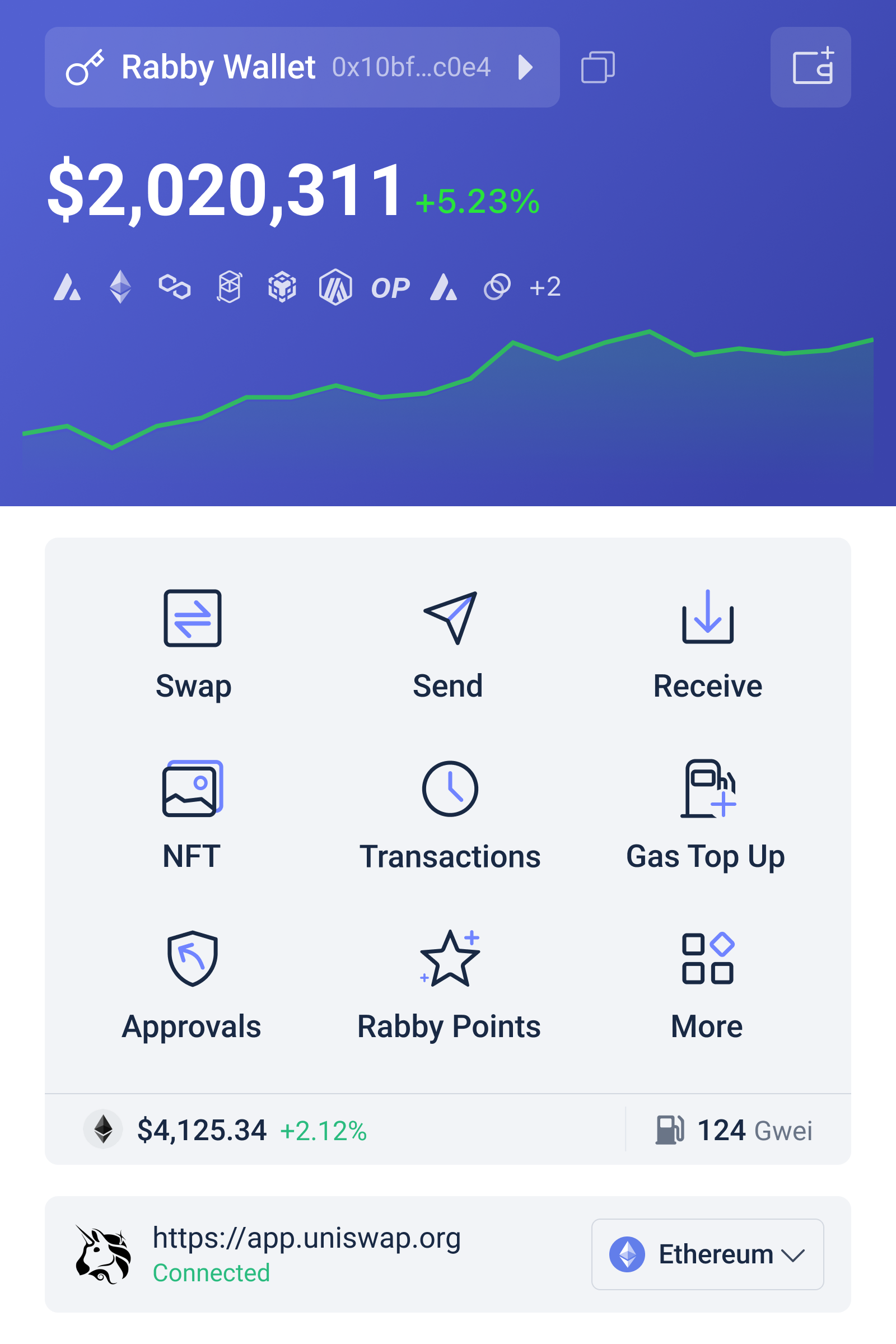
I’m straightforward here: wallets that integrate robust simulation, decoded contract calls, and configurable submission paths shift power to users. rabby wallet, for example, puts advanced transaction simulation and security controls front-and-center, which matters if you care about protecting yield or avoiding sandwich attacks. I’m biased toward wallets that make those tools usable, not just available in a CLI. It bugs me when good tech stays stuck behind developer-only interfaces. Users deserve better UX.
At the same time, no wallet is a panacea. You still need to think about relays, trust assumptions, and the economics of paying for priority. But a wallet that gives you reasoning, data, and options—rather than a single “Confirm” button—makes the difference between playing defense and being preyed upon.
FAQ
Can a wallet completely prevent MEV?
No. There is no 100% prevention because MEV arises from protocol-level incentives and network architecture. A wallet can substantially reduce your exposure by simulating transactions, using private submission channels, and offering controls. Initially I hoped for a single fix, but reality is layered defenses and trade-offs.
Does private submission centralize things?
Yes, to some extent. Private relays and block-builder deals shift trust from the public mempool to selected services. That’s a trade-off—less visibility but fewer opportunistic bots. Use trusted services, diversify relays, and demand transparency about fees and builder behavior.

Add comment